

Can touch sensitive faucets be used in saltwater environments?
Aug 24, 2026
Hey there! As a supplier of Touch Sensitive Faucets, I've been getting a lot of questions lately about whether our faucets can be used in saltwater environments. It's a valid concern, especially for those living near the coast or planning to use the faucets in marine - themed settings. So, let's dive right into it.
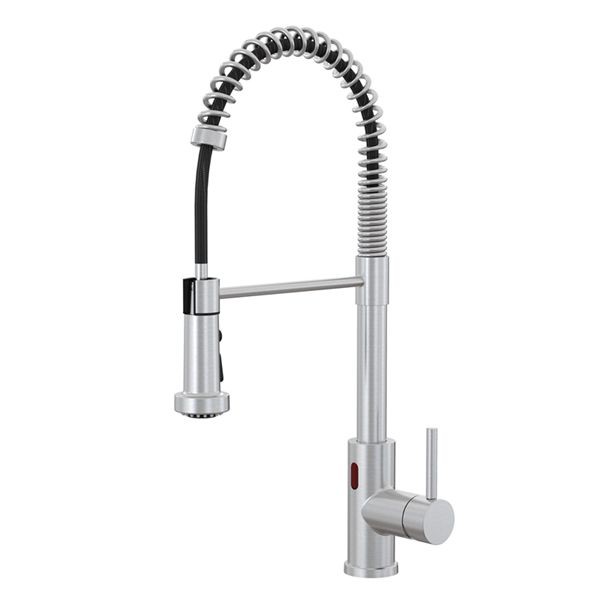
First off, let's understand what a touch - sensitive faucet is. A Touch Sensitive Faucet is a modern and convenient device. You just need to touch the faucet body or a specific touch - area, and it will turn on or off the water flow. It's super handy, especially when your hands are dirty or full. We also have a Touch Control Kitchen Faucet With Sensor that combines touch - control and sensor technology for even more flexibility in use. And for commercial kitchens, our Touchless Commercial Kitchen Faucet offers a hygienic solution.
Now, the big question: Can these faucets handle saltwater? Well, saltwater is a different beast compared to regular tap water. It contains a significant amount of dissolved salts, mainly sodium chloride, along with other minerals. The high salt content makes it highly corrosive. When metal parts of a faucet come into contact with saltwater, a chemical reaction called corrosion can occur. This can lead to rust, pitting, and eventually, the failure of the faucet components.
Most of our touch - sensitive faucets are designed for regular household or commercial use with freshwater. The materials we typically use, like brass, stainless steel, and plastic, are chosen for their durability and performance in normal water conditions. Brass is a popular choice for its strength and machinability, but in a saltwater environment, it can corrode over time. The salt in the water can react with the copper and zinc in brass, forming a greenish - blue patina and weakening the metal structure.
Stainless steel is often considered more resistant to corrosion than brass. However, not all stainless steels are created equal. Some grades are more prone to pitting corrosion in saltwater, especially when exposed to high levels of chlorides. Low - grade stainless steel may start to show signs of corrosion in a relatively short period when used with saltwater.
Plastic components in our faucets are generally more resistant to the corrosive effects of saltwater. But plastic also has its limitations. Prolonged exposure to sunlight, which often comes hand - in - hand with saltwater environments near the coast, can cause plastic to become brittle and degrade.
That being said, we might be able to offer some solutions for using our faucets in saltwater settings. We can recommend faucets with high - grade stainless steel, like 316 or 316L, which are specifically designed to resist corrosion in marine environments. These grades have a higher percentage of molybdenum, which helps improve their resistance to pitting and crevice corrosion caused by chlorides in saltwater.
Another option could be using faucets with special coatings. We're constantly researching and developing coatings that can provide an extra layer of protection against saltwater corrosion. These coatings act as a barrier between the metal parts of the faucet and the saltwater, preventing direct contact and reducing the risk of corrosion.
Maintenance also plays a crucial role if you plan to use our faucets in saltwater environments. Regular cleaning with fresh water is essential. After each use, rinse the faucet thoroughly to remove any salt residues. You can also use a mild, non - abrasive cleaner to keep the faucet looking good and functioning properly. Avoid using harsh chemicals or abrasive materials that could damage the faucet's surface or coating.
It's also important to keep an eye on the faucet for any signs of corrosion or damage. Look for discoloration, rust spots, or leaks. If you notice any problems, it's best to address them as soon as possible to prevent further damage.
What about the electronic components in our touch - sensitive faucets? Well, the electronic sensors and control systems are designed to work in normal humidity and water conditions. Saltwater can pose a significant risk to these components as well. The salt can cause electrical conductivity issues, short - circuits, and malfunction of the sensors. So, if you want to use touch - sensitive faucets in a saltwater environment, proper enclosure and protection of the electronics are crucial.
We're exploring ways to develop more robust electronic systems that can withstand the challenges of saltwater. This might involve using waterproof and corrosion - resistant materials for the electronics housing, as well as improved sealing techniques to prevent saltwater from entering the sensitive parts of the faucet.
In conclusion, while our standard touch - sensitive faucets aren't initially designed for long - term use in saltwater environments, with the right choices in materials and coating, along with proper maintenance, it's possible to use them in such settings. We're committed to providing high - quality products and solutions to meet the diverse needs of our customers.

If you're interested in using our touch - sensitive faucets in a saltwater environment or have any other questions about our products, don't hesitate to reach out to us for a detailed discussion. We'd be more than happy to help you make the right choice for your specific situation. Let's talk and see how we can work together to get you the perfect faucet solution.
References
- "Corrosion of Metals in Saltwater Environments" - Journal of Materials Science
- "Advances in Stainless Steel for Marine Applications" - Marine Engineering Magazine
- "Plastic Degradation in Outdoor Environments" - Polymer Science Review