

Can touch sensor kitchen taps be installed in an existing kitchen?
Dec 25, 2025
As a supplier of Touch Sensor Kitchen Taps, I often get asked whether these innovative taps can be installed in an existing kitchen. The short answer is yes, in most cases, touch sensor kitchen taps can be successfully installed in an existing kitchen setup. However, there are several factors to consider to ensure a smooth installation process and optimal performance.
Compatibility with Existing Plumbing
One of the primary concerns when installing a touch sensor kitchen tap in an existing kitchen is its compatibility with the current plumbing system. Most modern touch sensor taps are designed to be compatible with standard plumbing configurations. They typically come with adjustable connectors that can fit a variety of pipe sizes, usually ranging from 1/2 inch to 3/8 inch.
Before purchasing a touch sensor kitchen tap, it's essential to measure the diameter of your existing water supply pipes. You can use a simple measuring tape to get an accurate measurement. If your pipes fall within the standard range, you're likely to find a suitable touch sensor tap that will connect easily. For example, our Touch Sensor Kitchen Tap is equipped with adjustable connectors that can accommodate different pipe sizes, making it a versatile option for existing kitchens.
Another aspect of compatibility is the type of water supply - whether it's single - lever or dual - handle. Some touch sensor taps are designed to replace single - lever faucets, while others can replace dual - handle ones. If you have a single - lever faucet currently installed, look for a touch sensor tap that is specifically designed for single - lever replacement. Similarly, for dual - handle setups, choose a compatible model. Our range of touch sensor taps includes options for both single - lever and dual - handle replacements, ensuring that you can find the right fit for your existing kitchen.
Countertop and Sink Considerations
The countertop and sink in your existing kitchen also play a crucial role in the installation of a touch sensor kitchen tap. The number and spacing of the holes in the countertop are important factors. Most touch sensor taps require one, two, or three holes for installation. If your existing countertop has the appropriate number of holes with the correct spacing, installation will be relatively straightforward.

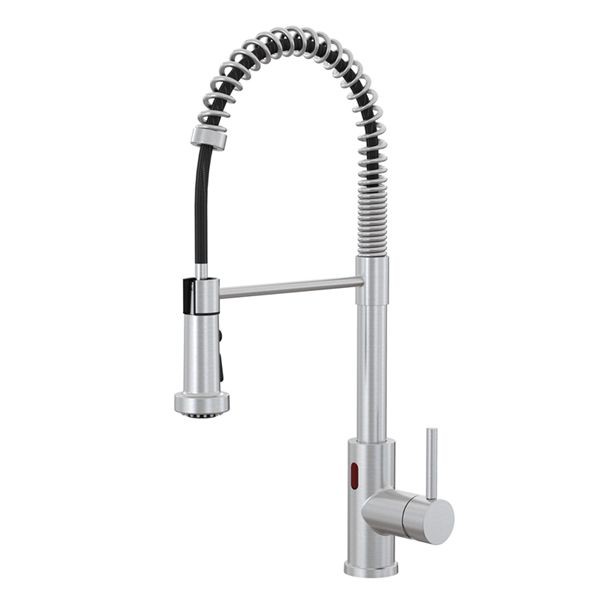
If your countertop has more holes than needed, you can use hole covers to conceal the extra ones. On the other hand, if there are not enough holes, you may need to drill new ones. However, drilling holes in a countertop should be done with caution, especially if it's made of delicate materials like marble or granite. It's advisable to hire a professional plumber or installer to handle this task to avoid damaging the countertop.
The sink itself also needs to be considered. The height and depth of the sink can affect the functionality of the touch sensor tap. A touch sensor tap should be installed at a height that allows for easy access and comfortable use. If the sink is too shallow, the water may splash out when the tap is turned on. Our Touch Control Kitchen Faucet With Sensor is designed with adjustable spout heights to accommodate different sink depths, ensuring a splash - free and convenient user experience.
Electrical Requirements
Touch sensor kitchen taps rely on electricity to function. There are two main types of power sources for these taps: battery - operated and hard - wired. Battery - operated touch sensor taps are more convenient for installation in existing kitchens as they don't require any electrical wiring. You simply need to install the batteries, and the tap is ready to use. This is a great option if you don't want to deal with the hassle of running electrical wires or if your kitchen doesn't have an easily accessible electrical outlet near the sink.
Hard - wired touch sensor taps, on the other hand, offer a more reliable power source. They need to be connected to an electrical outlet or a dedicated circuit. If you choose a hard - wired tap, you'll need to ensure that there is an electrical outlet nearby or hire an electrician to install one. Our range of touch sensor taps includes both battery - operated and hard - wired options, allowing you to choose the one that best suits your existing kitchen setup.
Installation Process
The installation process of a touch sensor kitchen tap in an existing kitchen can be broken down into several steps. First, turn off the water supply to the sink. This is usually done by shutting off the valves under the sink. Next, remove the existing faucet. You'll need to disconnect the water supply lines and any mounting hardware. Use a wrench to loosen the nuts and bolts holding the faucet in place.
Once the old faucet is removed, clean the area around the holes in the countertop to ensure a proper seal for the new tap. Place the new touch sensor tap in the holes and secure it with the provided mounting hardware. Connect the water supply lines to the tap, making sure they are tightened properly to prevent leaks.
If it's a battery - operated tap, install the batteries according to the manufacturer's instructions. For a hard - wired tap, connect the electrical wires to the appropriate terminals and plug it into an electrical outlet. Finally, turn on the water supply and check for any leaks. Adjust the water temperature and flow rate as needed.
Benefits of Installing Touch Sensor Kitchen Taps in Existing Kitchens
There are several benefits to installing touch sensor kitchen taps in existing kitchens. Firstly, they offer enhanced hygiene. With a touch sensor tap, you can turn the water on and off without touching the tap itself, reducing the spread of germs and bacteria. This is especially important in a kitchen environment where food preparation takes place.
Secondly, touch sensor taps are very convenient. You can easily control the water flow with just a touch or a wave of your hand, which is especially useful when your hands are full. For example, when you're holding a dirty dish or a bunch of vegetables, you can simply touch the tap to turn on the water.
In addition, touch sensor taps are often more water - efficient. They can be programmed to dispense a specific amount of water, helping you save water and reduce your water bill. Our Touchless Kitchen Tap is designed with advanced sensor technology that ensures precise water control and efficient water usage.
Conclusion
In conclusion, touch sensor kitchen taps can indeed be installed in an existing kitchen. By considering factors such as plumbing compatibility, countertop and sink requirements, and electrical needs, you can ensure a successful installation. The installation process may seem daunting at first, but with the right tools and a little patience, it can be done.
If you're interested in upgrading your existing kitchen with a touch sensor tap, we invite you to explore our wide range of products. Our team of experts is always ready to assist you with any questions you may have about installation, compatibility, or product features. Whether you're looking for a battery - operated tap for easy installation or a hard - wired tap for reliable power, we have the perfect solution for you. Contact us today to start the process of transforming your kitchen with a modern and convenient touch sensor tap.
References
- "Kitchen Faucet Installation Guide", Plumbing World Magazine, 2022.
- "The Benefits of Touch Sensor Technology in Kitchen Taps", Home Improvement Journal, 2023.