

Can touchless kitchen taps be used in traditional kitchens?
Oct 28, 2026
In recent years, touchless kitchen taps have gained significant popularity due to their convenience, hygiene, and modern appeal. As a supplier of touchless kitchen taps, I often receive inquiries from customers wondering if these innovative fixtures can be used in traditional kitchens. In this blog post, I will explore the compatibility of touchless kitchen taps with traditional kitchen settings, highlighting their benefits and addressing any potential concerns.
The Rise of Touchless Kitchen Taps
Touchless kitchen taps, also known as sensor taps, have revolutionized the way we interact with water in the kitchen. These taps use infrared sensors to detect the presence of hands or objects, automatically turning the water on and off without the need for physical contact. This technology not only provides a convenient and hands-free experience but also helps to conserve water by reducing the time the tap is left running.
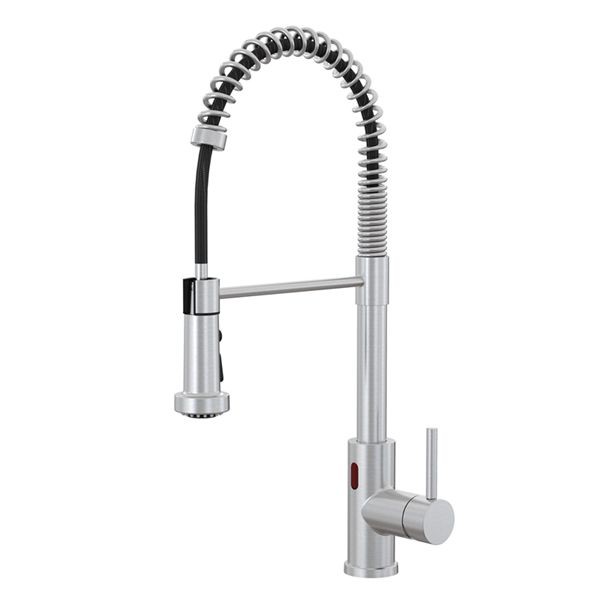

The growing demand for touchless kitchen taps can be attributed to several factors. Firstly, the increasing awareness of hygiene has led to a greater emphasis on reducing the spread of germs and bacteria. Touchless taps eliminate the need to touch the tap handle, which can be a breeding ground for harmful microorganisms. This is particularly important in the kitchen, where food preparation and handling take place.
Secondly, touchless taps offer a high level of convenience. With a simple wave of the hand, users can turn the water on and off, making tasks such as washing hands, rinsing dishes, and filling pots much easier and more efficient. This is especially beneficial for individuals with limited mobility or those who are carrying items in their hands.
Finally, touchless taps add a touch of modernity and sophistication to any kitchen. Their sleek and contemporary design can enhance the overall aesthetic appeal of the space, making it more inviting and stylish.
Compatibility with Traditional Kitchens
One of the main concerns that customers have when considering touchless kitchen taps for their traditional kitchens is whether they will fit in with the existing decor. The good news is that touchless taps are available in a wide range of styles, finishes, and designs, making it easy to find a model that complements the traditional aesthetic of your kitchen.
Many touchless taps feature classic and timeless designs that blend seamlessly with traditional kitchen cabinetry and fixtures. For example, there are taps with elegant curves, decorative handles, and traditional finishes such as chrome, brass, and nickel. These taps can add a touch of luxury and sophistication to your kitchen while still maintaining the traditional charm.
In addition to their aesthetic appeal, touchless taps are also highly functional and practical. They offer the same water flow and temperature control as traditional taps, ensuring that you can still perform all your kitchen tasks with ease. Some touchless taps even come with additional features such as adjustable water flow, temperature memory, and child lock, providing added convenience and safety.
Benefits of Using Touchless Kitchen Taps in Traditional Kitchens
There are several benefits to using touchless kitchen taps in traditional kitchens. Here are some of the key advantages:
Hygiene
As mentioned earlier, touchless taps are a great way to improve hygiene in the kitchen. By eliminating the need to touch the tap handle, you can reduce the spread of germs and bacteria, making your kitchen a cleaner and healthier place to prepare food. This is especially important for individuals with weakened immune systems or those who are concerned about food safety.
Convenience
Touchless taps offer a high level of convenience, making it easier to perform everyday tasks in the kitchen. With a simple wave of the hand, you can turn the water on and off, adjust the temperature, and control the water flow. This is particularly useful when your hands are dirty or full, as you don't have to worry about touching the tap handle and spreading germs.
Water Conservation
Touchless taps are designed to be more water-efficient than traditional taps. They automatically turn off the water when your hands are removed from the sensor, reducing the amount of water that is wasted. This not only helps to conserve water but also saves you money on your water bill.
Modern Appeal
Touchless taps add a touch of modernity and sophistication to any kitchen. Their sleek and contemporary design can enhance the overall aesthetic appeal of the space, making it more inviting and stylish. Whether you have a traditional or modern kitchen, a touchless tap can be a great addition that will make your kitchen stand out.
Addressing Concerns
While touchless kitchen taps offer many benefits, some customers may have concerns about their reliability, maintenance, and cost. Here are some common concerns and how to address them:
Reliability
One of the main concerns that customers have about touchless taps is their reliability. They worry that the sensors may malfunction or stop working over time, leaving them without access to water. However, modern touchless taps are designed to be highly reliable and durable. They use advanced sensor technology that is resistant to interference and can detect the presence of hands or objects accurately. Additionally, most touchless taps come with a warranty, providing peace of mind and ensuring that you are covered in case of any issues.
Maintenance
Another concern that customers have is the maintenance of touchless taps. They worry that the sensors may require frequent cleaning or replacement, which can be time-consuming and expensive. However, touchless taps are generally easy to maintain. The sensors are designed to be self-cleaning, and they only require occasional wiping with a soft cloth to remove any dirt or debris. Additionally, most touchless taps come with a user manual that provides detailed instructions on how to clean and maintain the tap.
Cost
Touchless taps are generally more expensive than traditional taps. However, the cost of a touchless tap can vary depending on the brand, model, and features. While the initial investment may be higher, the long-term benefits of using a touchless tap, such as water conservation and improved hygiene, can outweigh the cost. Additionally, many touchless taps are energy-efficient, which can help to reduce your energy bills over time.
Conclusion
In conclusion, touchless kitchen taps can be a great addition to traditional kitchens. They offer a high level of convenience, hygiene, and modern appeal, while still maintaining the traditional charm of the space. With a wide range of styles, finishes, and designs available, it is easy to find a touchless tap that complements the existing decor of your kitchen.
If you are considering installing a touchless kitchen tap in your traditional kitchen, I encourage you to explore our range of products. We offer a variety of touchless taps, including Touchless Commercial Kitchen Faucet, Touch Control Kitchen Faucet With Sensor, and Touchless Kitchen Faucet With Sprayer. Our taps are designed to be reliable, durable, and easy to use, providing you with a hassle-free experience in the kitchen.
If you have any questions or would like to discuss your options further, please don't hesitate to contact us. We would be happy to help you find the perfect touchless kitchen tap for your traditional kitchen.
References
- "Benefits of Touchless Kitchen Taps." HomeAdvisor.
- "Touchless Faucets: Are They Worth the Investment?" This Old House.
- "How to Choose the Right Touchless Kitchen Faucet." Bob Vila.