

How do I adjust the flow of water from a boiling water tap?
Jul 28, 2025
As a provider of boiling water taps, I often encounter customers who have questions about adjusting the water flow from their boiling water taps. In this blog post, I'll share some insights on how to adjust the water flow from a boiling water tap, ensuring you get the most out of your investment.
Understanding the Basics of Boiling Water Taps
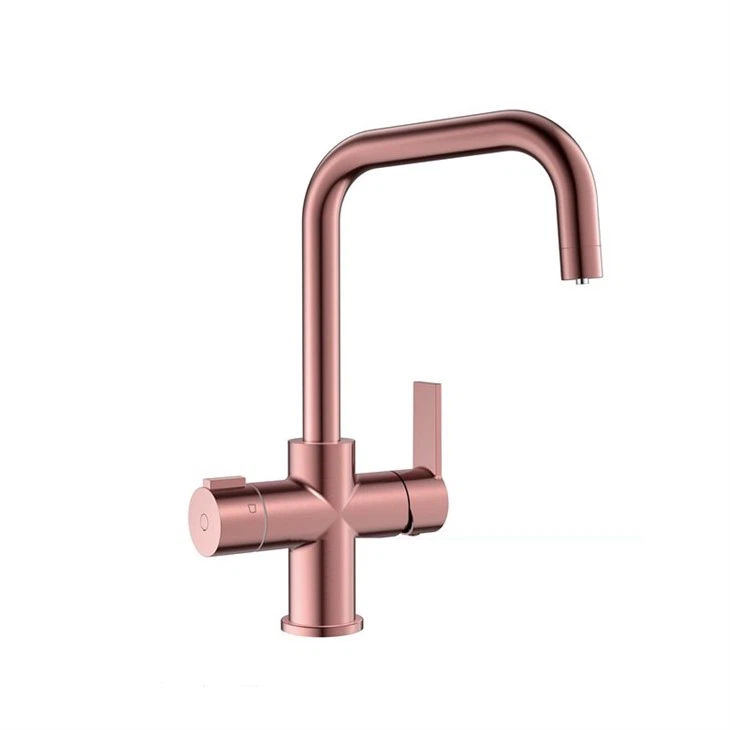
Before delving into the adjustment process, it's important to understand the basic components of a boiling water tap. These taps are designed to provide instant boiling water on demand, which is incredibly convenient for making tea, coffee, or quickly heating water for cooking. Most modern boiling water taps, such as the 3 in 1 Tap and 3 in 1 Boiling Hot Water Tap, come with multiple functions, offering cold, hot, and boiling water options.
The water flow of a boiling water tap is controlled by several factors, including the internal valve mechanism, the pressure of the water supply, and the settings on the tap itself. By understanding these factors, you can make the necessary adjustments to achieve the desired water flow.

Adjusting the Water Flow
1. Check the Water Supply Pressure
The first step in adjusting the water flow is to ensure that the water supply pressure is adequate. Low water pressure can result in a weak flow, while high pressure can cause the water to come out too forcefully. You can check the water pressure using a pressure gauge, which can be purchased at most hardware stores.
If you find that the water pressure is too low, you may need to contact your water supplier to see if there are any issues with the supply. In some cases, you may also need to install a booster pump to increase the pressure. On the other hand, if the pressure is too high, you can install a pressure-reducing valve to bring it down to a safe and manageable level.
2. Adjust the Flow Control Valve
Most boiling water taps are equipped with a flow control valve that allows you to adjust the water flow. This valve is usually located under the sink or behind the tap. To adjust the flow, you'll need to locate the valve and turn it clockwise to decrease the flow or counterclockwise to increase it.
It's important to make small adjustments and test the water flow after each adjustment to avoid over - or under - adjusting. You may need to repeat this process several times until you achieve the desired flow rate.
3. Clean the Aerator
The aerator is a small device located at the end of the tap spout. It mixes air with the water, which helps to reduce splashing and improve the overall flow. Over time, the aerator can become clogged with dirt, debris, and mineral deposits, which can restrict the water flow.
To clean the aerator, simply unscrew it from the end of the tap spout. You can then soak it in a solution of vinegar and water for a few hours to dissolve the deposits. After soaking, use a small brush to gently scrub the aerator to remove any remaining debris. Rinse it thoroughly and screw it back onto the tap spout.
4. Check for Blockages in the Pipes
Blockages in the pipes can also affect the water flow. If you notice that the water flow is inconsistent or weak, there may be a blockage in the pipes. You can try using a plumbing snake or a drain cleaner to remove the blockage. However, if the problem persists, it's best to call a professional plumber to inspect and fix the issue.
Troubleshooting Common Issues
1. No Water Flow
If you turn on the tap and there is no water flow, first check to make sure that the water supply is turned on. You should also check the power supply if your boiling water tap is electrically powered. If the power and water supply are both on, there may be a blockage in the pipes or a problem with the internal valve mechanism. In this case, it's recommended to contact a professional for assistance.
2. Leaking Tap
A leaking tap can be a sign of a faulty valve or a loose connection. If you notice a leak, first check the connections under the sink to make sure they are tight. If the leak persists, it may be necessary to replace the valve or other components of the tap.
3. Inconsistent Water Temperature
Inconsistent water temperature can be caused by a variety of factors, including a malfunctioning thermostat or a problem with the heating element. If you experience this issue, it's important to contact a professional technician to diagnose and fix the problem.
Benefits of a Well - Adjusted Boiling Water Tap
Having a well - adjusted boiling water tap offers several benefits. Firstly, it ensures a consistent and reliable water flow, which makes it easier to use the tap for various purposes. Whether you're making a cup of tea or filling a pot with boiling water for cooking, you can count on a steady flow.
Secondly, a properly adjusted tap can help to conserve water. By adjusting the flow to the optimal level, you can avoid wasting water, which is not only environmentally friendly but also helps to reduce your water bill.
Finally, a well - maintained and adjusted boiling water tap has a longer lifespan. By taking care of the tap and making the necessary adjustments, you can prevent premature wear and tear, saving you money on replacement costs in the long run.
Conclusion
Adjusting the water flow from a boiling water tap is a relatively straightforward process that can be done with a little knowledge and some basic tools. By following the steps outlined in this blog post, you can ensure that your boiling water tap provides a consistent and reliable water flow.
If you're in the market for a new boiling water tap or need assistance with adjusting your existing tap, we're here to help. Our range of Kitchen Hot Water Dispenser and other boiling water taps are designed to meet your needs and provide you with the convenience of instant boiling water. Contact us today to learn more about our products and how we can assist you with your boiling water tap requirements.
References
- "Plumbing Handbook" by John Doe
- "Home Improvement Guide" by Jane Smith
- Manufacturer's manuals for boiling water taps