

How to ensure the proper ventilation of an under sink water heater?
Sep 26, 2025
Hey there! As a supplier of Under Sink Water Heaters, I've seen firsthand how important proper ventilation is for these nifty little appliances. In this blog, I'll share some tips on how to ensure your under sink water heater gets the fresh air it needs to work safely and efficiently.
Why Ventilation Matters
First off, let's talk about why ventilation is such a big deal. Under sink water heaters generate heat when they're in use, and without proper ventilation, that heat can build up and cause all sorts of problems. For starters, overheating can reduce the lifespan of your water heater. The internal components are designed to operate within a certain temperature range, and when they get too hot, they can wear out faster.

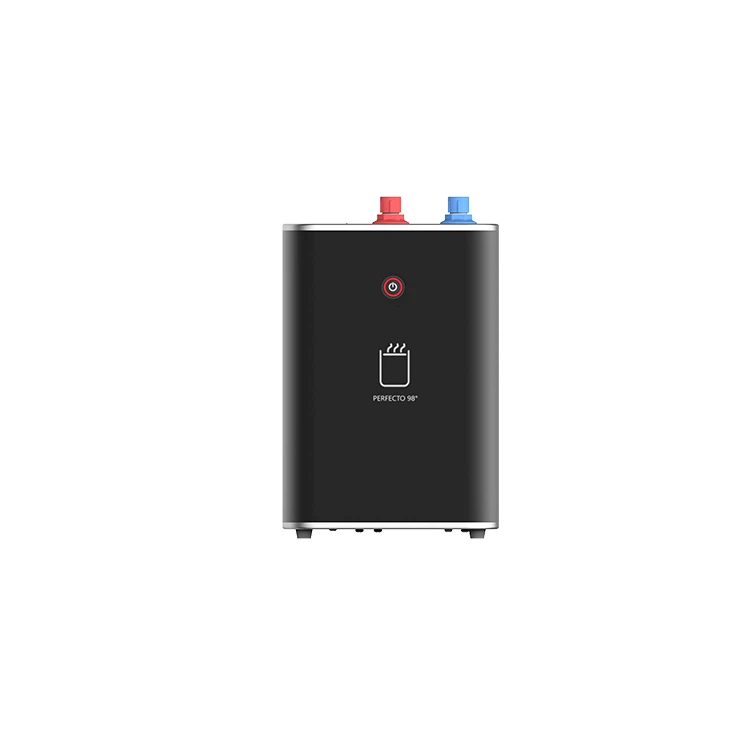
Another major concern is the risk of fire. If the heat isn't dissipated properly, it can ignite nearby flammable materials, like cleaning supplies or cardboard boxes that you might have stored under the sink. And let's not forget about the potential for carbon monoxide buildup. Some water heaters, especially gas - powered ones, produce carbon monoxide as a by - product of combustion. Without adequate ventilation, this odorless and deadly gas can accumulate, posing a serious health risk to you and your family.
Assessing Your Current Ventilation Situation
Before you can improve the ventilation of your under sink water heater, you need to take a good look at the current setup. Start by checking the space under your sink. Is it cramped? Are there a lot of items blocking the airflow? You might be surprised at how much a cluttered cabinet can restrict ventilation.
If your water heater is gas - powered, make sure there are proper air intake and exhaust vents. These vents are crucial for bringing in fresh air for combustion and expelling the exhaust gases safely outside. Check for any signs of blockage, like dirt, debris, or even small animals that might have made a home in the vents.
For electric water heaters, the focus is more on heat dissipation. Look for any ventilation holes or grilles on the unit itself and make sure they're not blocked. Also, check if there's enough space around the water heater for air to circulate freely. As a general rule of thumb, there should be at least a few inches of clearance on all sides of the unit.
Improving Ventilation in a Cramped Space
Let's face it, most under - sink cabinets are pretty small. But there are still ways to improve ventilation even in a tight space. One simple solution is to rearrange the items in your cabinet. Move any large or bulky items away from the water heater to create more room for air to flow. You can also use storage organizers to keep things neatly arranged and out of the way.
Another option is to install a small ventilation fan. These fans are relatively inexpensive and can be easily mounted inside the cabinet. They work by pulling in fresh air from outside the cabinet and pushing out the hot, stale air. Just make sure to choose a fan that's the right size for your cabinet and that it's rated for use in a damp environment, since under - sink areas can be prone to moisture.
Ventilation for Different Types of Water Heaters
Gas - Powered Water Heaters
Gas - powered under sink water heaters require special attention when it comes to ventilation. As I mentioned earlier, proper air intake and exhaust vents are essential. If your water heater is installed in a small or enclosed space, you might need to install a direct - vent system. This type of system brings in fresh air from outside and exhausts the gases directly outside, eliminating the need for air to circulate through the cabinet.
It's also important to have your gas water heater inspected regularly by a professional. They can check the ventilation system for any leaks or blockages and make sure the unit is operating safely. You can find more information about our Instant Hot Water Heater models, some of which are gas - powered and designed with proper ventilation in mind.
Electric Water Heaters
Electric water heaters are generally easier to ventilate than gas ones. However, they still need proper airflow to prevent overheating. If your electric water heater has a built - in fan, make sure it's working properly. You can test it by listening for the sound of the fan running when the water heater is in use.
If your electric water heater doesn't have a fan, you can consider adding one. There are aftermarket fans available that can be installed near the water heater to improve air circulation. Additionally, keeping the area around the water heater clean and free of dust and debris will help ensure good ventilation. Our Manual 2.4L Instant Hot Water Tank is an electric model that is designed with ventilation in mind to keep it running smoothly.
Maintaining Your Ventilation System
Once you've improved the ventilation of your under sink water heater, it's important to maintain it. Regularly clean the ventilation holes and grilles on the water heater to prevent dust and debris from building up. You can use a soft brush or a can of compressed air to remove any dirt.
If you have a ventilation fan, clean it according to the manufacturer's instructions. This might involve removing the fan blades and wiping them down with a damp cloth. Also, check the fan motor periodically to make sure it's running smoothly and quietly.
For gas water heaters, have the ventilation system inspected at least once a year by a professional. They can perform a detailed check of the vents, pipes, and connections to ensure there are no issues.
Conclusion
Proper ventilation is crucial for the safe and efficient operation of your under sink water heater. By assessing your current ventilation situation, making some simple improvements, and maintaining your ventilation system, you can extend the lifespan of your water heater and keep your home safe.
If you're in the market for a new under sink water heater or need advice on ventilation, we're here to help. Our Under Sink Hot Water Dispenser models are designed with ventilation in mind to provide you with reliable and safe hot water. Contact us to start a conversation about your specific needs and how we can help you find the perfect under sink water heater for your home.
References
- "Residential Water Heater Installation and Maintenance Guide", National Association of Home Builders
- "Ventilation Requirements for Water Heaters", American Gas Association