

How to protect an instant water heater from freezing?
Sep 17, 2025
How to Protect an Instant Water Heater from Freezing
As a supplier of instant water heaters, I understand the challenges that cold weather can pose to these essential appliances. Freezing temperatures can cause significant damage to instant water heaters, leading to costly repairs or even the need for a full replacement. In this blog post, I'll share some practical tips on how to protect your instant water heater from freezing, ensuring its longevity and reliable performance.
Understanding the Risks of Freezing
Before delving into the protection methods, it's crucial to understand why freezing is such a concern for instant water heaters. When water freezes, it expands. This expansion can put immense pressure on the internal components of the water heater, such as pipes, valves, and tanks. As a result, these components may crack or burst, leading to leaks and potential water damage to your property. Additionally, frozen water can block the flow of water through the heater, preventing it from functioning properly.
Preparing Your Instant Water Heater for Cold Weather
Insulate the Water Heater
One of the most effective ways to protect your instant water heater from freezing is to insulate it properly. Insulation helps to maintain the temperature of the water heater and reduces the risk of heat loss. You can use a water heater insulation blanket, which is specifically designed for this purpose. These blankets are typically made of fiberglass or other insulating materials and can be easily wrapped around the water heater. Make sure to cover the entire unit, including the top and sides, for maximum effectiveness.
Insulate the Pipes
In addition to insulating the water heater itself, it's also important to insulate the pipes connected to it. Exposed pipes are particularly vulnerable to freezing, especially if they are located in unheated areas such as basements, attics, or crawl spaces. You can use pipe insulation sleeves, which are available in various sizes and materials. Wrap the sleeves around the pipes, starting from the water heater and extending to the nearest connection point. Pay special attention to any joints or bends in the pipes, as these areas are more likely to freeze.
Seal Any Leaks
Even a small leak can lead to significant problems during cold weather. Water that drips or seeps out of the water heater or pipes can freeze and cause damage. Inspect your instant water heater and pipes regularly for any signs of leaks, such as water stains, puddles, or dampness. If you find a leak, repair it immediately using appropriate plumbing materials and techniques. You may need to call a professional plumber if the leak is severe or if you're not comfortable making the repairs yourself.
Keep the Area Heated
Maintaining a consistent temperature around the instant water heater can help prevent freezing. If the water heater is located in an unheated area, consider installing a space heater or using a heat tape to keep the temperature above freezing. Make sure to follow all safety instructions when using these heating devices and keep them away from flammable materials. You can also open cabinet doors or vents to allow warm air to circulate around the water heater and pipes.
Additional Tips for Freezing Conditions
Drain the Water Heater
If you expect extremely cold temperatures or if you'll be away from home for an extended period, it may be necessary to drain the water heater to prevent freezing. Before draining the water heater, make sure to turn off the power supply and close the water supply valve. Then, open the drain valve at the bottom of the water heater and allow the water to drain completely. You may also need to open the pressure relief valve to release any remaining air or water. Once the water heater is drained, close all the valves and leave the drain valve open to prevent any water from re-entering the unit.
Use a Freeze Protection Device
Some instant water heaters come with built-in freeze protection devices, which automatically shut off the heater if the temperature drops below a certain level. If your water heater doesn't have this feature, you can consider installing a separate freeze protection device. These devices are typically installed on the water supply line and use a thermostat to monitor the temperature. If the temperature drops below the set threshold, the device will shut off the water supply to the heater, preventing freezing.
Check the Manufacturer's Instructions
Every instant water heater is different, and the manufacturer's instructions may provide specific recommendations for protecting the unit from freezing. Make sure to read the owner's manual carefully and follow all the instructions provided. The manual may also include information on the recommended operating temperature range for the water heater and any special precautions that need to be taken during cold weather.
Conclusion
Protecting your instant water heater from freezing is essential to ensure its proper functioning and longevity. By following the tips outlined in this blog post, you can reduce the risk of damage and avoid costly repairs. Remember to insulate the water heater and pipes, seal any leaks, keep the area heated, and take additional precautions during freezing conditions. If you have any questions or need further assistance, don't hesitate to contact us.

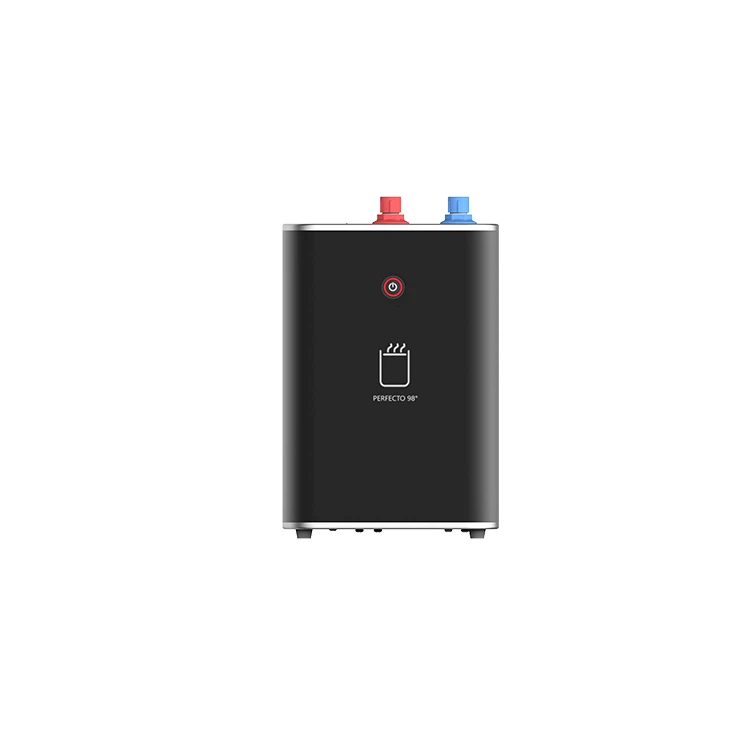
As a leading supplier of instant water heaters, we offer a wide range of products to meet your needs. Whether you're looking for a Manual 4L Instant Hot Water Tank, a Manual 2.4L Instant Hot Water Tank, or a Digital 2.4L Instant Hot Water Tank, we have the perfect solution for you. Our products are designed to provide reliable performance and energy efficiency, even in cold weather.
If you're interested in purchasing an instant water heater or have any questions about our products, please feel free to contact us. We're here to help you find the right solution for your home or business.
References
- "Preventing Water Heater Freezing." U.S. Department of Energy.
- "How to Insulate a Water Heater." Family Handyman.
- "Pipe Insulation: A Guide to Keeping Your Pipes from Freezing." The Spruce.