

What is the installation process for a touchless kitchen tap?
Oct 27, 2025
Hey there! As a supplier of touchless kitchen taps, I'm super stoked to walk you through the installation process. Touchless kitchen taps are all the rage these days, and for good reason. They're not only super convenient but also help keep your kitchen clean by reducing the spread of germs. So, let's dive right in!
What You'll Need
Before you start the installation, it's important to gather all the necessary tools and materials. Here's a list of what you'll typically need:
- Touchless Kitchen Tap: Obviously, you'll need the tap itself. You can check out our Touchless Kitchen Faucet With Sprayer, Touch Sensor Kitchen Tap, or Touch Control Kitchen Faucet With Sensor for some great options.
- Adjustable Wrench: This will be used to tighten and loosen nuts and bolts.
- Screwdriver: You'll need both a flathead and a Phillips head screwdriver for various tasks.
- Teflon Tape: Also known as plumber's tape, this helps create a watertight seal on threaded connections.
- Bucket: To catch any water that might spill during the installation.
- Measuring Tape: To ensure proper placement of the tap.
Step 1: Turn Off the Water Supply
The first and most important step is to turn off the water supply to your kitchen sink. You'll usually find shut-off valves under the sink. Turn the valves clockwise until they're fully closed. This will prevent any water from flowing while you're working on the installation.
Step 2: Remove the Old Tap
Once the water is turned off, it's time to remove the old tap. Start by disconnecting the water supply lines from the tap. Use an adjustable wrench to loosen the nuts that connect the lines to the tap. Be careful not to damage the lines or the tap.
Next, remove the mounting nuts that hold the tap in place under the sink. You may need to use a screwdriver to loosen any screws or clips that are securing the tap. Once the mounting nuts are removed, you should be able to lift the old tap out of the sink.
Step 3: Prepare the Sink
Before installing the new touchless tap, you'll need to prepare the sink. Clean the area where the tap will be installed to remove any dirt, debris, or old sealant. Use a mild cleaner and a cloth to wipe the area clean.
If your sink has multiple holes, you may need to plug the ones that you won't be using. You can use a hole cover or a plug to seal the holes. Make sure the holes are clean and dry before installing the covers or plugs.
Step 4: Install the Touchless Tap
Now it's time to install the new touchless tap. Start by placing the tap in the sink hole. Make sure the tap is centered and level. If necessary, use a measuring tape to ensure proper placement.
Next, insert the mounting nuts or bolts through the holes in the sink and tighten them using an adjustable wrench. Be careful not to overtighten the nuts or bolts, as this can damage the tap or the sink.
Once the tap is securely mounted, connect the water supply lines to the tap. Apply a thin layer of Teflon tape to the threads of the supply lines to create a watertight seal. Use an adjustable wrench to tighten the nuts that connect the lines to the tap.
Step 5: Connect the Power Supply
Most touchless kitchen taps require a power supply to operate. There are two main types of power supplies: battery-powered and hardwired.
If your tap is battery-powered, simply insert the batteries into the battery compartment according to the manufacturer's instructions. Make sure the batteries are properly installed and the compartment is securely closed.
If your tap is hardwired, you'll need to connect the power cord to an electrical outlet. It's important to follow the manufacturer's instructions carefully when connecting the power cord. If you're not comfortable working with electricity, it's best to hire a professional electrician to do the job.
Step 6: Test the Tap
Once the tap is installed and the power supply is connected, it's time to test the tap. Turn on the water supply by turning the shut-off valves counterclockwise. Check for any leaks around the tap and the water supply lines. If you notice any leaks, tighten the nuts or bolts as needed.
Next, wave your hand in front of the sensor to activate the tap. Make sure the water flows smoothly and that the sensor is working properly. If the tap doesn't activate or if the water flow is weak, check the batteries or the power supply to make sure they're working correctly.
Step 7: Adjust the Settings
Most touchless kitchen taps allow you to adjust the settings, such as the water temperature and the sensor sensitivity. Refer to the manufacturer's instructions to learn how to adjust the settings on your tap. You may need to use a small screwdriver or a button on the tap to make the adjustments.
Step 8: Final Checks
Before you consider the installation complete, do a final check to make sure everything is working properly. Check for any leaks, test the tap multiple times, and make sure the settings are adjusted to your liking.
If you're satisfied with the installation, clean up any tools and materials that you used. You can now enjoy the convenience and functionality of your new touchless kitchen tap!
Conclusion
Installing a touchless kitchen tap may seem like a daunting task, but with the right tools and a little patience, it can be a relatively straightforward process. By following the steps outlined in this blog post, you should be able to install your new tap without any major issues.

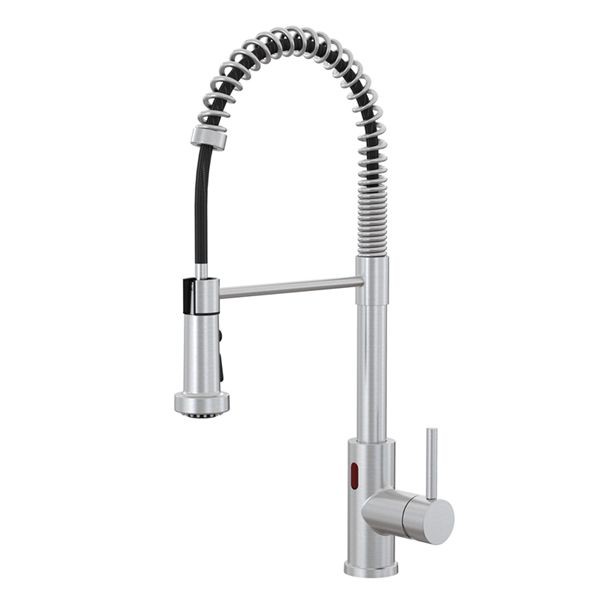
If you have any questions or need further assistance, don't hesitate to reach out. We're here to help you with all your touchless kitchen tap needs. Whether you're looking for a specific model or need advice on installation, we've got you covered.
So, what are you waiting for? Upgrade your kitchen with a touchless tap today and experience the difference it can make. Contact us to start the procurement process and let's get you the perfect touchless kitchen tap for your home.
References
- Manufacturer's instructions for the touchless kitchen tap
- General plumbing knowledge and best practices