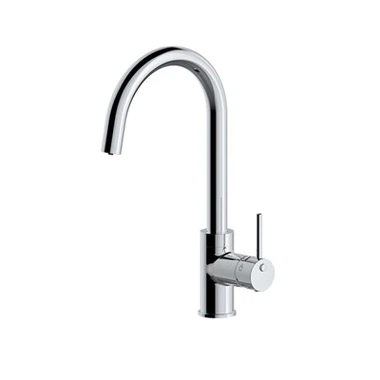
Should I Worry About Water Hammer When I Install 4-in-1 Taps?
May 18, 2026

What is a Water Hammer, and How Bad Can It Be?
Water hammer is the thumping or banging sound you might hear in your pipes when fast-moving water is suddenly stopped or changes direction. Since water can't be compressed, the energy has nowhere to go when a valve closes. Instead, it turns into a pressure wave that travels through your pipes, causing the noise.
It's similar to slamming on the brakes in a car-the force has to go somewhere. For most people, water hammer sounds worse than it is. An occasional thump usually won't cause lasting damage. But if the noise is frequent, loud, and ignored for a long time, the repeated pressure can stress pipe joints and loosen fittings. Over time, this could lead to slow leaks at the connections.
How Our 4-in-1 Taps are Built to Reduce Water Hammer at the Source
Water hammer risk starts at the valve level. And that's why every 4-in-1 tap we produce undergoes a 24-hour continuous performance test. One of such is stress-testing the internal valve mechanism under sustained pressure to verify that the components controlling water flow perform consistently within safe tolerance.
This means the 4-in-1 taps you buy from us have valves that open and close smoothly rather than snap shut. That controlled, gradual closure is one of the primary engineering defenses against water hammer at the fixture itself.
That said, no tap can fully compensate for high mains pressure or unsecured pipework. Those conditions in the home's plumbing that exist before the tap arrives still need to be fixed.
Five Ways to Stop Water Hammer Before or After Installation
If you want to minimize the chances of water hammer entirely, make sure to ask a plumber to test your mains pressure and pipework beforehand. Fortunately, you can still solve this after installation. Here are the steps to go through. Most homeowners resolve the problem at step one or two.
Give the system 48 hours to settle.
After installing, run all your taps for a few minutes, working from the lowest floor upward. This helps push trapped air out. Many homeowners find that the banging reduces or disappears after two days without doing anything else.
Turn off taps slowly
Slamming a lever down creates a sudden stop in water flow, which is the exact condition that produces a water hammer. When you turn off the taps slowly, you give the water time to slow down. This simple habit is cheap, and you can tell the difference immediately.
Secure any loose pipework
Check under the sink and accessible water cavities for pipes that move when touched or aren't clipped to a solid surface. Next, secure them with pipe clips to stop them from swinging and causing that loud sound.
Install water hammer arrestors.
These are small devices that act as a shock absorber. They contain a sealed air chamber that cushions the pressure wave before it travels through your pipes. Fit these water hammer arrestors as close as possible to the tap connection on both the hot and cold supply lines.
Install a pressure-limiting valve
If your mains pressure is above 4 or 5 bar, a pressure-limiting valve at the mains entry point reduces surge intensity across your home. This simple fix isn't just good for your 4-in-1 tap but also for every other tap and appliance connected to your plumbing.
Will Water Hammer Damage My Plumbing?
Occasional or mild water hammer in an otherwise sound system is unlikely to cause lasting harm. No doubt the noise is unsettling. But a few pressure surges won't compromise well-maintained pipework.
However, you'll need to act fast if the banging is loud, frequent, or has continued for several weeks. Sustained pressure surges do place cumulative stress on pipe joints and fittings. These are the connections around your new high-performance 4-in-1 tap installation that you need to keep tight and leak-free for the long term. Other damages that can happen from ignoring persistent water issues include:
Damage to the pumps, existing valves, and instruments ultimately leading to the failure of gasketed and expansion joints, which in turn affects the pipe walls and welded joints.
Leaks around the fittings, joints, and connections.
Ruptured pipes, which can cause the entire system and other equipment to fail.
Water leaks that cause damage or corrosion to external property.
The Bottom Line
Fixing water hammer early is a way to protect your kitchen investment, not just prevent damage. The solutions are simple and usually don't require major plumbing work.
Once you've addressed what's causing the water hammer, your pipes will work as they should from the start. Your newly installed 4-in-1 taps will also run quietly and reliably for years. If you have questions about installing your 4-in-1 tap or want advice about your plumbing, contact our team. We're happy to help before your installation date.