The Complete Guide to Instant Hot Water Faucets: Installation, Power, Cost & Long-Term Performance
Apr 29, 2026

How an Instant Hot Water Faucet Actually Works
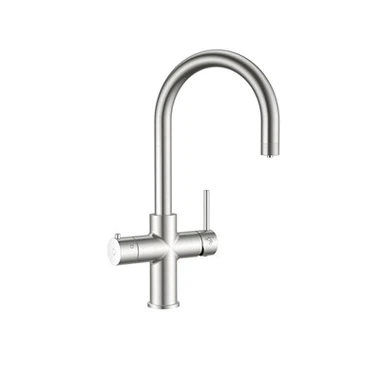
An instant hot water faucet connects to a compact insulated tank fitted beneath the sink. Cold water feeds into the tank. An electric heating element warms and stores the water at a controlled temperature. When you activate the boiling handle, stored hot water flows immediately through a separate insulated channel inside the tap.
Most residential systems include:
- A 2 to 3 litre stainless steel tank
- A 1.5 kW heating element
- Adjustable thermostat control
- Integrated safety valve
Dedicated boiling water outlet
The thermostat monitors internal temperature and activates the heating element when required. Heating occurs in controlled cycles. The tank does not run at full power continuously.
Electrical Load and Power Supply Requirements
Electrical planning comes first. This is where many installations fail.
A typical 1.5 kW system running on 230 volts draws around 6 to 7 amps. The same unit operating on 110 to 120 volts can draw 12 to 13 amps. This difference matters when checking circuit capacity.
You should confirm voltage supply in your property, dedicated fused spur availability, circuit load rating and proper earthing
Many homeowners ask how much these current amp units actually draw and consume during operation.
Avoid sharing sockets with other heavy appliances. A dishwasher or washing machine on the same circuit increases risk of overload.
If your wiring is older, schedule an electrician to inspect the circuit before installation. Preventative checks cost far less than electrical repair work.
Under Sink Space and Cabinet Preparation
I have seen installations delayed simply because cabinet depth was misjudged.
Before ordering, measure internal cabinet height, Shelf depth, clearance around pipework and distance to electrical point
The tank must sit on a stable surface. Reinforced shelving prevents vibration and movement. Secure positioning protects hoses and fittings over time.
Hose routing should follow smooth curves without sharp bends. Strain on connectors often leads to early leaks. Proper spacing around the pressure relief valve ensures safe expansion handling.
It would be wise for you to plan a 4 in 1 water tap system, because this installation prevents avoidable adjustments later.
Filtration and Water Quality Protection
Filtration protects both taste and internal components. Most systems include carbon filtration to reduce chlorine, sediment, certain heavy metals and scale formation in moderate hard water areas.
Filter replacement intervals depend on local water hardness and daily usage. High usage households may require more frequent changes.
Neglecting filter replacement causes reduced heating efficiency, internal scale accumulation, altered water flavour and increased strain on heating elements.
Proper filtration supports consistent performance and protects long term reliability.
Also, water quality varies significantly between regions. So, descaling hard water areas becomes part of routine care.
Therefore, maintenance planning should be considered before purchase, not after installation.
Built In Safety Engineering and Control
Boiling water demands controlled delivery. Modern instant hot water faucet systems are designed with layered safety mechanisms that protect both adults and children in everyday use.
Most systems include:
- Push and turn activation for boiling flow
- Separate internal water channel for boiling water
- Insulated spout construction
- Pressure relief valve inside the tank
- Thermostat cut off protection
The push and turn mechanism prevents accidental activation. The boiling function requires deliberate engagement. Water flows directly into the sink basin without the need to carry containers across the kitchen.
Pressure relief valves manage expansion inside the tank as water heats. Thermostat protection prevents overheating. These engineering measures operate continuously in the background.
When installed correctly, the system remains stable and predictable.
Energy Consumption and Running Cost Reality
Energy usage depends on household habits.
Unlike a kettle that boils a full volume repeatedly, an instant hot water tank stores heated water and restores temperature in shorter heating cycles. The heating element activates only when the internal temperature drops below the set level.
Energy performance is influenced by:
- Tank insulation quality
- Heating element wattage
- Ambient cabinet temperature
- Frequency of use
- Water hardness and scale buildup
Well insulated tanks retain heat efficiently. Regular maintenance preserves heating performance. Scale buildup increases energy demand because the heating element must work harder to reach the same temperature.
In smaller households with moderate daily use, consumption remains controlled. Larger families with frequent boiling demands will see higher cycling frequency. The system operates consistently when properly maintained.
Selecting the Right Tank Capacity for Your Household
Tank size should reflect real daily demand rather than estimated peak usage. Here are some general selection guidance for you to know:
- 2 litre tank for light beverage preparation
- 2.5 litre tank for moderate cooking routines
- 3 litre tank for larger families or frequent entertaining
Recovery rate plays a major role. It describes how quickly the tank restores temperature after water is drawn. A higher recovery rate supports consecutive use without noticeable temperature drop.
Oversizing increases standby energy usage. Undersizing may result in waiting between uses. Balanced selection supports efficiency and comfort.
If your routine includes frequent pasta cooking, vegetable blanching, and repeated hot drink preparation, consider a higher capacity unit.
Daily Kitchen Workflow and Practical Performance
The value of an instant hot water faucet becomes clear during daily tasks.
Common uses include:
- Filling pots for cooking
- Preparing tea and coffee
- Cleaning greasy cookware
- Softening food residue
- Speeding up food preparation
Worktops remain clear without kettles and separate filter jugs. The sink area becomes the central control point for hot and filtered water access.
Time savings accumulate over weeks and months. The system integrates into the kitchen rhythm. Most homeowners adjust quickly and rely on it daily.
Consistency in water temperature improves food preparation control. Direct delivery into the sink reduces spill risk. The tap operates like any other fixture once installed.
Long Term Durability and Service Planning
Durability depends on three factors:
- Installation quality
- Water condition
- Maintenance discipline
Professional installation secures fittings and ensures correct electrical protection. Water hardness influences internal scale formation. Regular filter replacement protects heating components.
Service planning should include: scheduled filter changes, periodic inspection of hoses and fittings, tank flushing when required and descaling in hard water regions
Replacement parts such as heating elements and cartridges should be readily available from the supplier. Before purchasing, confirm warranty coverage and service support in your area.
Documentation should be stored near the installation point for easy reference. Register the product after installation to activate warranty protection.
Systems that receive consistent care often operate reliably for many years.
Making an Informed Purchase Decision
Before committing to a specific model, verify the following:
- Voltage compatibility
- Circuit capacity
- Cabinet space dimensions
- Tank capacity
- Recovery rate specification
- Filter replacement cost
- Warranty length
- Local service availability
Request technical specification sheets rather than relying solely on promotional descriptions. Confirm amp draw and installation requirements in writing.
A careful review prevents expensive corrections later.
Conclusion
An instant hot water faucet becomes part of your kitchen infrastructure. It connects to your plumbing, your electrical system, and your daily routine. Proper planning determines long term satisfaction.
From years of supply and field support, one pattern remains consistent. Installations that receive careful electrical preparation, correct sizing, and routine maintenance deliver stable performance. Systems installed without planning create avoidable issues.
Measure your cabinet space. Confirm your electrical capacity. Choose the correct tank size. Maintain filtration and descale when required.
When those steps are followed, the system operates reliably and integrates naturally into everyday kitchen use.