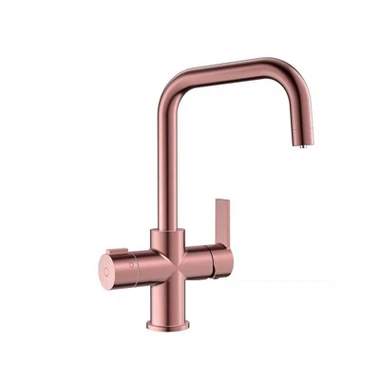
boiling tap water
Mar 20, 2024
In the realm of modern convenience, it's easy to take for granted the simple act of turning on the tap and having access to seemingly endless amounts of water. But in reality, the quality and safety of that water can vary greatly depending on various factors. Boiling tap water is an age-old method that ensures safety by effectively eliminating harmful pathogens. In this blog, we'll explore why boiling tap water remains one of the simplest and most effective solutions for safer drinking water.

Understanding the Need for Safe Drinking Water:
Water is essential for life, and the quality of the water we consume directly impacts our health and well-being. Unfortunately, tap water can sometimes contain contaminants such as bacteria, viruses, and parasites, which pose a risk to human health if ingested. These contaminants can enter the water supply through various means, including agricultural runoff, industrial pollution, and aging infrastructure.
The Power of Boiling:
Boiling tap water is a time-tested method for purifying water and making it safe for consumption. When water reaches its boiling point (212°F or 100°C at sea level), the high temperature kills most microorganisms, including bacteria, viruses, and parasites, rendering the water safe to drink. Boiling water for just one minute is typically sufficient to eliminate harmful pathogens, although some experts recommend boiling for longer periods, especially at higher altitudes or in areas with known water quality issues.
Simple Steps to Boil Tap Water:
Boiling tap water is a straightforward process that requires minimal equipment and effort. Here's a simple step-by-step guide:
Fill a Pot: Start by filling a clean pot or kettle with tap water. Be sure not to overfill to prevent spillage.
Heat the Water: Place the pot on a stove or another heat source and turn it to high heat. Allow the water to come to a rolling boil.
Boil for Additional Time: Once the water reaches a boil, continue boiling it for at least one minute. If you're at a higher altitude, you may need to boil it for longer to ensure safety.
Cool and Store: After boiling, allow the water to cool before transferring it to a clean, covered container for storage or immediate use.
Benefits of Boiling Tap Water:
Cost-Effective: Boiling tap water is an affordable and accessible method for purifying water, requiring only basic kitchen equipment.
Widely Accessible: Boiling tap water can be done anywhere with access to a heat source, making it suitable for both urban and rural settings.
Effectiveness: Boiling tap water effectively kills most microorganisms, providing a reliable way to ensure water safety in emergency situations or areas with compromised water quality.
Conclusion:
In a world where access to safe drinking water is not guaranteed for everyone, boiling tap water remains one of the simplest and most effective solutions for ensuring water safety. By understanding the importance of safe drinking water and the power of boiling, individuals can take proactive steps to protect their health and well-being. Whether at home or in the great outdoors, boiling tap water is a timeless practice that continues to serve as a cornerstone of water purification efforts worldwide.