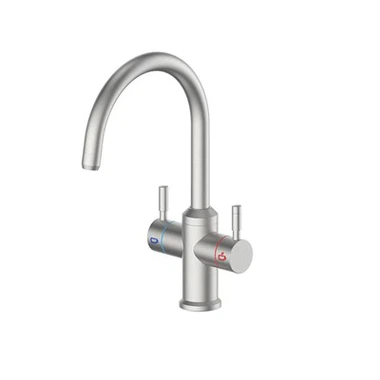
How does instant hot water dispenser work?
May 02, 2024
An instant hot water dispenser, also known as a hot water tap or instant water heater, is a convenient appliance that provides hot water on demand without the need for a storage tank. Here's a step-by-step explanation of how it works:
1. Water Supply: The process begins with the water supply. The dispenser is connected to the main water line, which provides a continuous flow of cold water.
2. Activation: When a user wants hot water, they turn on the tap or press a button on the dispenser. This action triggers the heating mechanism.
3. Flow Control: The water flow is controlled by a valve that opens when the tap is turned on. This ensures that water only flows when needed, conserving water and energy.
4. Heating Element: As the water flows through the dispenser, it passes over a heating element. This element is typically made of a high-resistance material that quickly converts electrical energy into heat.
5. Heat Exchange: The water absorbs heat from the heating element, which raises its temperature almost instantly. The heat exchange is very efficient, often using a method called "infrared heating" or "rapid heat pipe technology" to achieve quick heating.
6. Temperature Regulation: Some models have a thermostat to regulate the temperature of the water. This ensures that the water reaches the desired temperature without overheating.
7. Dispensed Water: The now-heated water is then dispensed from the tap. The user can adjust the temperature if necessary, and the water is ready for use immediately.
8. Energy Efficiency: Since the water is heated only when needed and no energy is used to maintain a large volume of hot water in a tank, instant hot water dispensers are more energy-efficient than traditional water heaters.
9. Safety Features: Modern dispensers also include safety features to prevent scalding or other accidents. For example, they may have child locks or automatic shut-off mechanisms.
10. Maintenance: To ensure the dispenser works effectively and safely, it requires regular maintenance, such as descaling to remove mineral deposits that can build up over time.
Instant hot water dispensers are popular in homes, offices, and restaurants because they provide a quick and convenient way to get hot water for various uses, from cooking to cleaning.

How do instant hot water dispensers compare to traditional water heaters in terms of energy efficiency and cost?
Instant hot water dispensers, also known as demand-type water heaters, offer several advantages over traditional storage tank water heaters in terms of energy efficiency and cost. Here's a comparison based on the provided resources:
1. Energy Efficiency:
- Instant hot water dispensers heat water only when needed, which means no energy is wasted keeping water hot in a storage tank. This on-demand heating can lead to significant energy savings, especially in households that do not require a continuous supply of hot water. According to the Department of Energy, for homes that use 41 gallons or less of hot water daily, demand water heaters can be 24%–34% more energy efficient than conventional storage tank water heaters. Even in homes that use a lot of hot water, around 86 gallons per day, they can be 8%–14% more efficient.
- Traditional water heaters, on the other hand, keep a large volume of water heated at all times, which can result in standby heat loss and higher energy consumption.
2. Cost:
- The initial cost of instant hot water dispensers can be higher than that of traditional water heaters. However, they can potentially offset this with lower running costs due to their energy efficiency. The cost of running an instant hot water dispenser is estimated to be around 0.5 to 1 kWh of electricity per day, which translates to a daily cost of not more than 10 cents based on some estimates.
- Traditional water heaters may have a lower initial cost, but their ongoing energy costs can be higher due to the need to heat and reheat water constantly.
3. Other Considerations:
- Instant hot water dispensers are also praised for their convenience in providing hot water instantly, without the wait time associated with traditional water heaters.
- They are generally more compact and can be installed under the sink, saving space in comparison to the larger and more cumbersome storage tanks.
- However, instant hot water systems may have lower water pressure and could potentially provide inconsistent water temperature across multiple appliances if not designed properly.
In summary, instant hot water dispensers are often more energy-efficient and can lead to lower ongoing costs, despite a potentially higher initial investment. They are also space-saving and provide the convenience of on-demand hot water. However, individual household needs, local energy costs, and the specific models chosen will significantly influence the actual savings and efficiency experienced.